
Selected work · 2024–2026
David Aharoni · Product Designer & Design Engineer
Selected product work.
Case studies across marketplace operations, API integrations, internal tools, and AI-assisted media production—from operating problem to shipped result.

Measured after launch
−24% drop-off
after simplifying 12 fields to 6
24%
lower booking-form abandonment
200%
organic traffic growth in 3 months
6 APIs
normalized into one inventory model
1M+
monthly viewers reached with the media team
What I contribute
A builder who makes the team’s thinking visible.
Strong product work stays close to the people living with the problem. That means clarifying what matters, testing a direction quickly, and building a product the team can continue to evolve.
Start close to the work
I work with operators, users, and product partners to understand the real workflow before deciding what to make.
Make the idea tangible
I prototype in code so the team can respond to a working flow—not a description of one—and we can examine every state.
Learn after launch
Funnels, session review, support signals, and operator feedback shape the next release. Shipping starts the feedback loop.
Featured case study
FurnishedNow · Marketplace product
Live productMaking a complicated search and booking journey feel straightforward.
FurnishedNow brings inventory from six partner APIs into one searchable furnished-apartment marketplace. I work with inventory operators and renters across the product—from search and listing detail to booking, follow-up, and the internal tools behind them.
Role
Product design, research, and front-end
Collaboration
Operators, partners, and renters
Scope
Search, booking, admin, analytics
One decision, end to end
The form was collecting detail before earning commitment.
The funnel showed 67% abandonment. Session recordings and operator feedback gave the number context: twelve questions made a first inquiry feel like an application, and several answers were not needed for the first response.
Evidence
A sharp funnel drop, repeated hesitation in recordings, and questions operators rarely used.
Hypothesis
Ask only for what the team needs to make the next useful move.
Decision
Reduce 12 fields to 6, combine dates into move-in month, and clarify what happens after submission.
Outcome
Booking-form abandonment fell 24% after launch.
Before
12 fieldsAfter
6 fields−24%
booking-form abandonment after launch
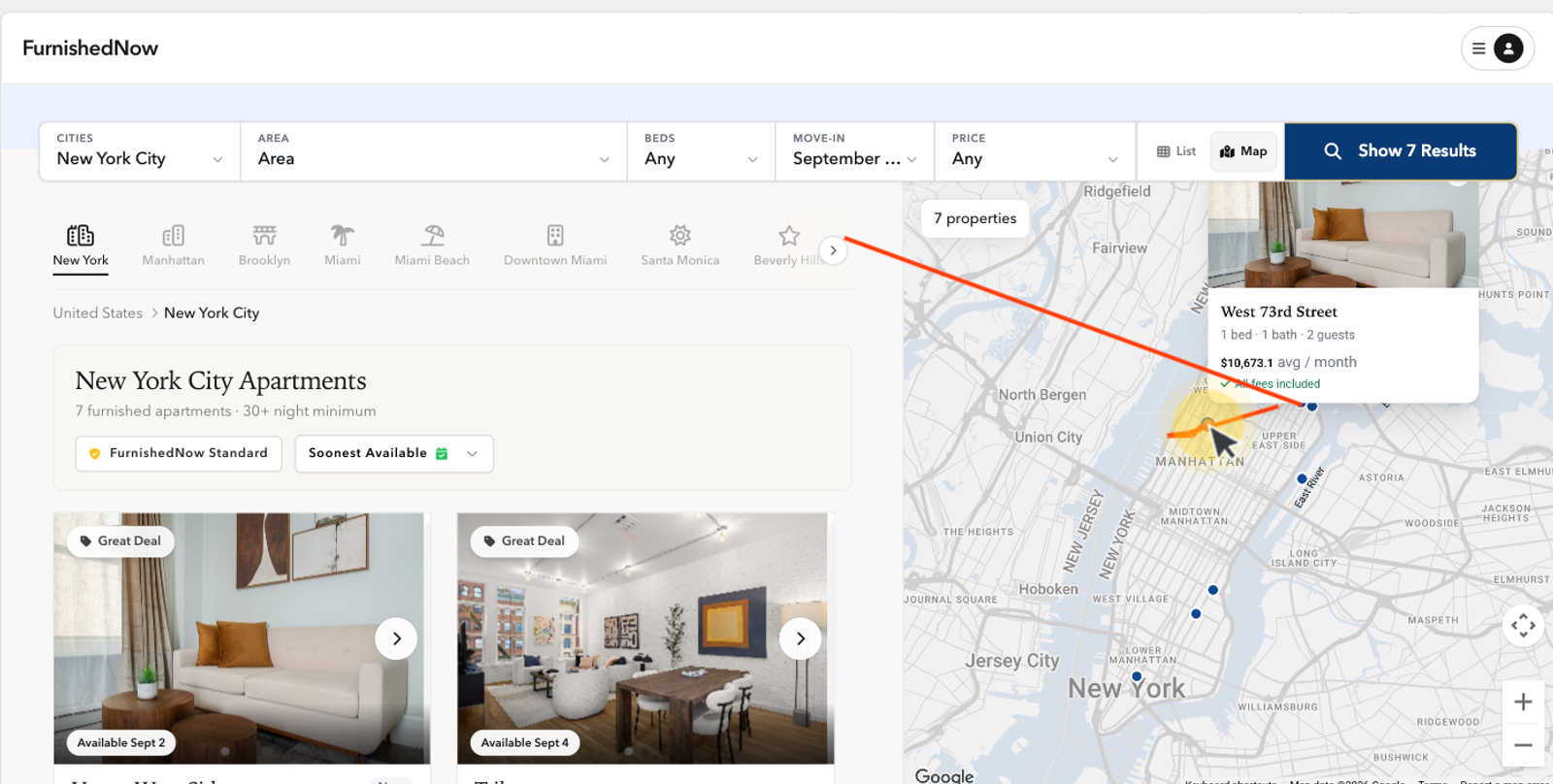
Session evidence is reviewed alongside funnel data and recurring operator feedback.
From observation to release
Small moments became shared product decisions.
The product improved through a series of concrete changes the team could see, discuss, and evaluate—not one sweeping redesign.
Turned low-result searches into a handoff
Recordings showed people reaching thin results and leaving. The new state collects the request and routes it to an operator who can match inventory manually.
20%+ of would-be exits recovered
Asked for a move-in month, not invented precision
People repeatedly adjusted exact date fields before they were ready to commit. Asking for the month matches how early-stage renters actually think and gets them into results sooner.
Less friction before the first useful result
Protected the flow without burdening renters
Invisible bot protection and tuned rate limits reduced junk requests and compute cost without adding a visible challenge to the booking path.
Lower cost, no added user step
Made missed bookings observable
Request clicks now capture the listing and path that led there. Quiet breaks become a review queue the team can act on instead of an invisible lost customer.
Operational issues surfaced automatically
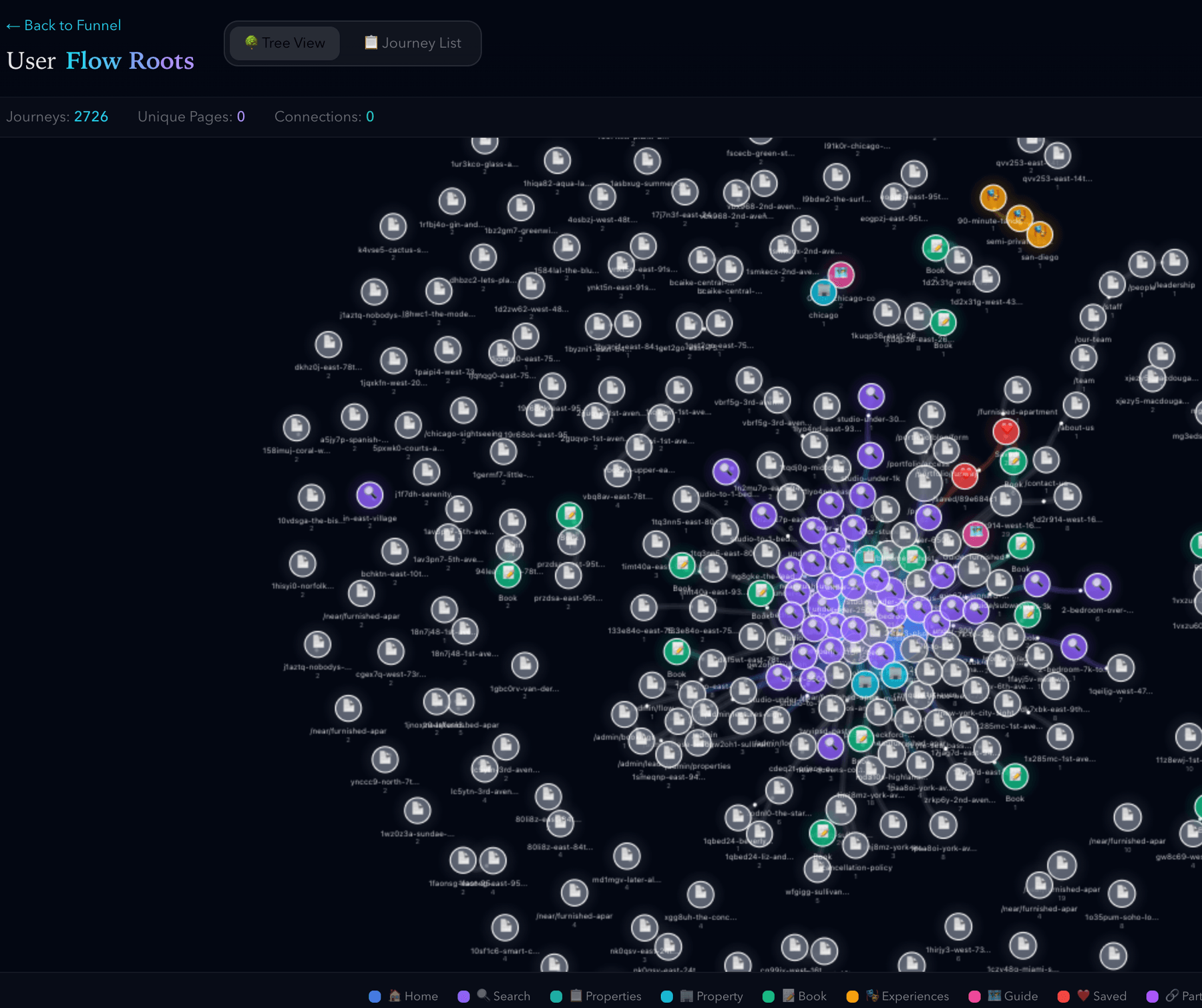
The shipped system
Not just the customer-facing screens.
Search, booking, partner routing, admin tools, and analytics—one connected operating system.
How I work with teams
Prototype in code, test with real people, iterate from evidence.
The 12-to-6-field change is typical of the process: analytics located the friction, recordings and operator context explained it, a working flow made the tradeoffs tangible, and the post-launch result decided what came next.
Observe together
Pair product analytics with session review and the patterns operators and users describe firsthand.
Frame the decision
Separate the underlying problem from the first requested feature, then agree on what a useful change should accomplish.
Prototype the complete path
Work in code across responsive layouts, hierarchy, loading, validation, empty states, and recovery—not just the happy path.
Ship, review, improve
Instrument the decision, review what changed with the team, and carry that evidence into the next release.
Growth systems
Long-form film · short-form media
Different formats. The same learning loop.
Film production and social distribution both improve when creative judgment becomes a repeatable team process. Each attempt produces evidence; each review sharpens the next decision.
01
Create
02
Score
03
Review
04
Ship
05
Observe
06
Improve
Long-form production
Every attempt improves the next creative decision.
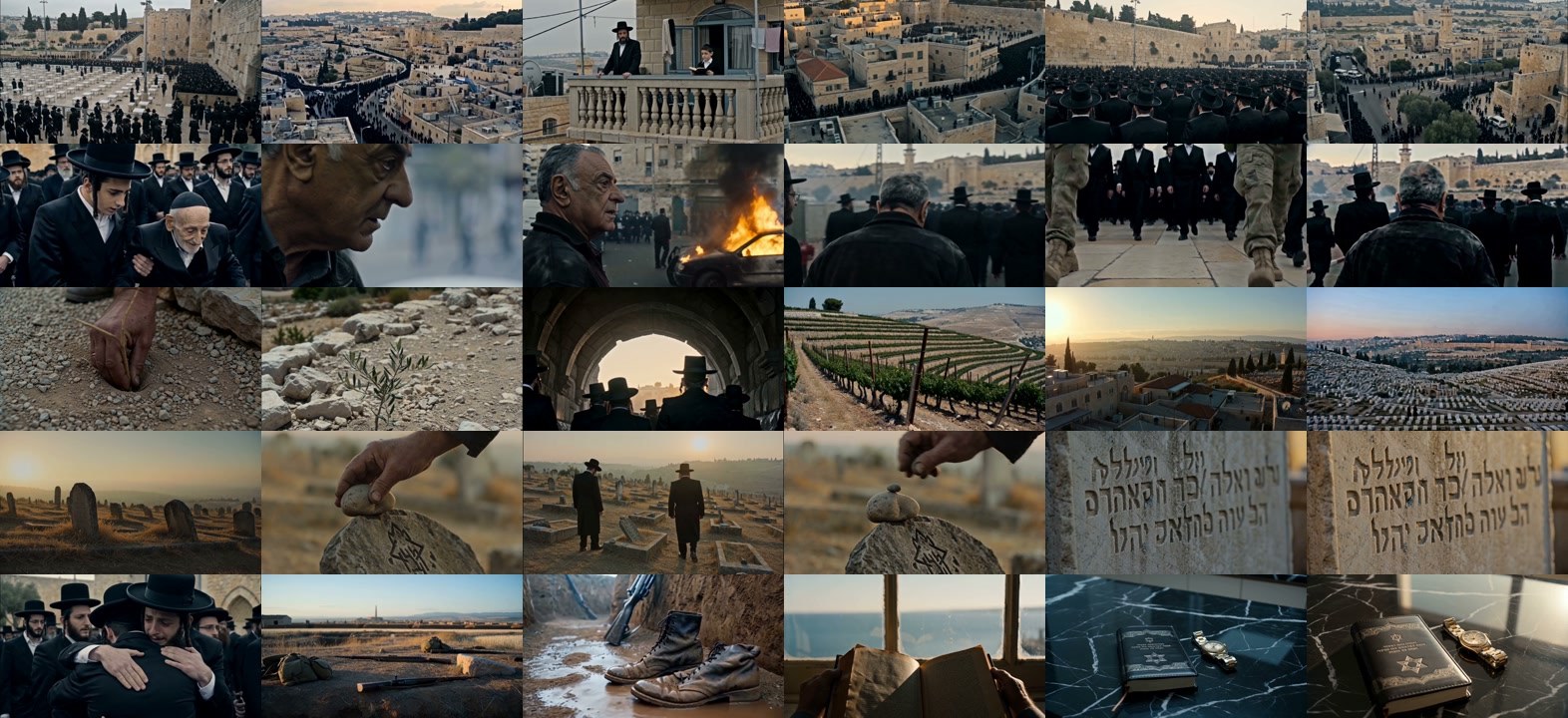
Generation, scoring, continuity review, and rejection reasons live in one production layer so the team does not rediscover the same lesson on every shot.
38:50 finished film · 1,200+ generations · 2,382 frames reviewed
57K → 106K
Instagram followers
5.1M
views · last 30 days
Short-form distribution
Every publish improves the next selection.
The media team selects, shapes, quality-checks, publishes, and reviews performance as one loop. The signal goes back into the next batch instead of ending in a report.
About 20K → 1M+ monthly viewers · 5.1M views in 30 days · 50+ shorts over 100K
Applied product studies
Built from operating experience
Power users reveal what demos and feature lists cannot.
These are not critiques from the sidelines. They translate repeated production friction into product opportunities, grounded in finished work and measurable operating volume.
Designing for long-form AI production
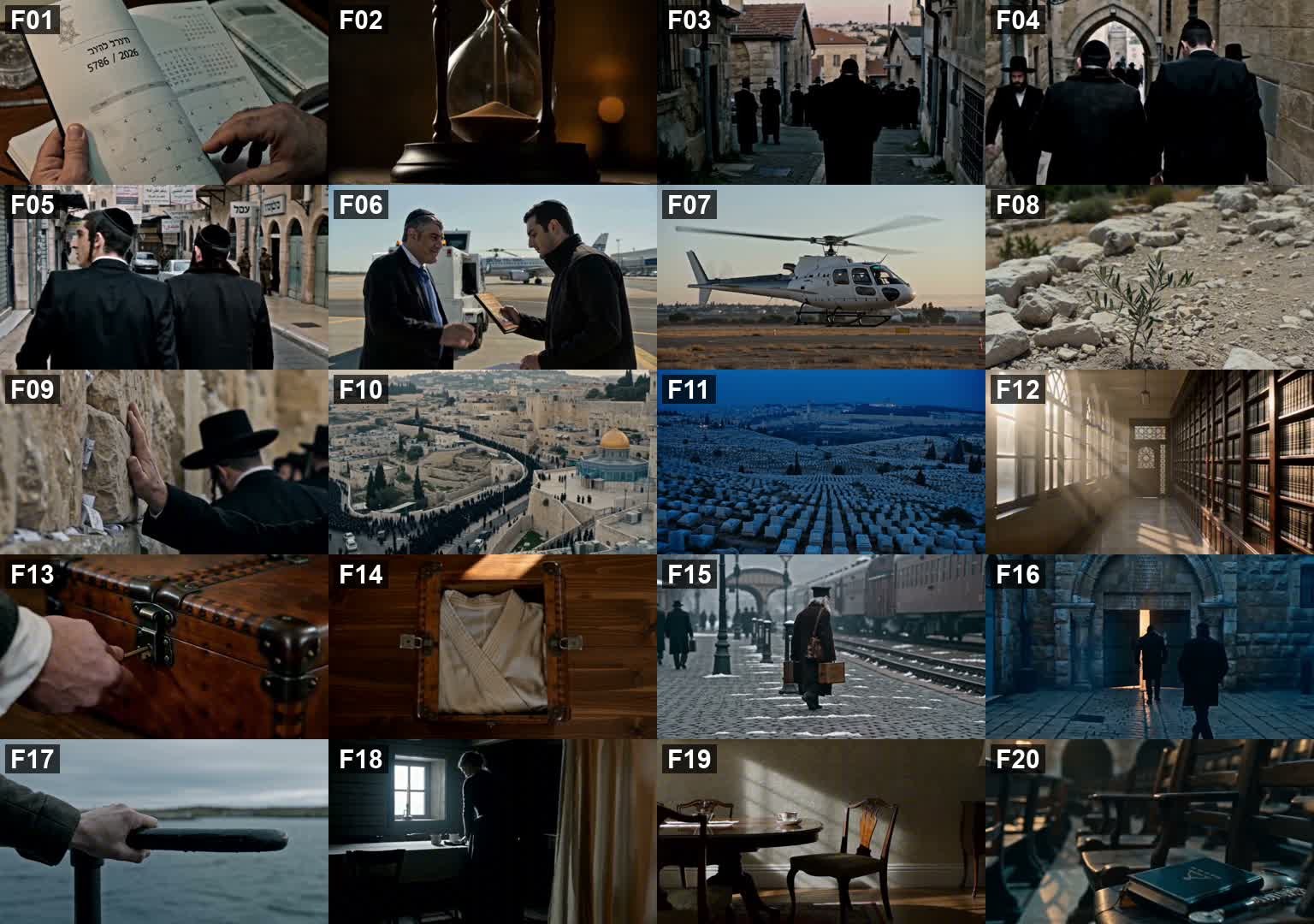
A finished 38:50 film exposed the gaps between generating a striking clip and managing a coherent production: project memory, continuity, comparison, cost, and editor handoff.
Production evidence
1,200+ generation attempts · 2,382 frames reviewed · 1,000+ hours of source audio made transcript-searchable
Scoring as a repeated feature
Scoring repeats at every round. Each SeedDance 2.0 attempt is reviewed against the shot mission—continuity, motion, composition, and edit usability—so the next attempt starts with what the team already learned.
Designing for short-form production at scale
Daily use with a media team shows where throughput is really won: selecting the right moment, shaping the hook, keeping caption and reframe edits stable, and getting a publishable export out reliably.
Production evidence
5.1M views in the last 30 days · 50+ shorts over 100K · monthly viewers grown from about 20K to 1M+
Scoring as a repeated feature
Scoring should update after every meaningful edit—hook, trim, caption, or reframe—and explain what moved. That makes it a practical editing aid the team can use repeatedly, not a one-time verdict.
Additional range
Open-source product
trainETA
A public NYC subway tracker with a GTFS-RT pipeline handling 500+ updates a minute, a public API, and 50+ unit and end-to-end tests.
Real-time data · resilient states · public API
Live productTools built around the work
Practical internal tooling
Transcript search, frame extraction, contact sheets, subtitle and audio cleanup, review notes, final stills, trailers, and handoff assets—shaped with the people doing active production.
Product judgment · code · operational context
What I’m looking for
A team tackling meaningful problems where design can shape the product—not just its surface.
I’m interested in product design roles across AI products, creator tools, marketplaces, and workflow-heavy software—especially where working closely with users and operators can create lasting leverage.